


As a supplier of vertical screw conveyors, I understand the importance of proper cleaning methods to ensure the efficient and long - lasting performance of these essential industrial machines. Vertical screw conveyors are widely used in various industries to transport bulk materials vertically, and keeping them clean is crucial for maintaining product quality, preventing contamination, and reducing the risk of equipment failure. In this blog, I will discuss several suitable cleaning methods for vertical screw conveyors.
Manual Cleaning
Manual cleaning is one of the most basic and straightforward methods for cleaning vertical screw conveyors. It involves physically removing debris, dust, and other contaminants from the conveyor components using simple tools such as brushes, scrapers, and vacuum cleaners.
Brushing and Scraping
For accessible parts of the conveyor, like the outer casing and visible sections of the screw, a stiff - bristled brush can be used to dislodge loose dirt. Scrapers can be employed to remove stubborn materials that have adhered to the surfaces. This method is suitable for relatively light - duty contamination and when quick visual inspections are needed during regular maintenance checks. Care must be taken to use appropriate brushes and scrapers to avoid scratching the conveyor's surfaces, which could lead to corrosion or material build - up in the future.
Vacuuming
A powerful industrial vacuum cleaner is an effective tool for collecting dust and small particles from the conveyor. The vacuum can be used to clean both the interior and exterior of the conveyor, reaching into tight spaces and corners where debris may accumulate. This is especially important when dealing with fine powders or materials that can become airborne, as it helps to prevent air pollution within the working environment and reduces the risk of inhalation hazards for workers.
Chemical Cleaning
Chemical cleaning is often required when dealing with more stubborn contaminants, such as grease, oil, or chemical residues. However, it is essential to choose the right chemicals and follow proper safety procedures.
Solvent - based Cleaners
Solvent - based cleaners are effective for removing oil and grease from the conveyor components. They work by dissolving the contaminants, making them easier to wipe or rinse away. When using solvent - based cleaners, it is crucial to ensure proper ventilation, as these cleaners can emit harmful fumes. Additionally, some solvents may be flammable, so appropriate fire - safety measures must be in place.
Detergent Solutions
Detergent solutions are a safer alternative for general cleaning. They can be used to clean the conveyor's surfaces, removing dirt, grime, and some types of chemical residues. Detergents are typically less hazardous than solvents and are more environmentally friendly. To use a detergent solution, simply mix the detergent with water according to the manufacturer's instructions, apply it to the conveyor using a sprayer or a cloth, and then rinse thoroughly with clean water.
High - Pressure Water Cleaning
High - pressure water cleaning is a powerful method for removing tough contaminants from vertical screw conveyors. It uses a high - pressure water jet to blast away dirt, debris, and even some stubborn deposits.
Equipment Selection
When choosing a high - pressure water cleaning system, it is important to select one with the appropriate pressure and flow rate for the conveyor's material and construction. Too high a pressure can damage the conveyor, while too low a pressure may not be effective in removing the contaminants. Additionally, the water temperature can also affect the cleaning efficiency. Hot water is often more effective in removing grease and oil than cold water.
Safety Precautions
High - pressure water cleaning poses several safety risks, including the potential for water splashing, which can cause slips and falls, and the risk of injury from the high - pressure jet. Workers must wear appropriate personal protective equipment (PPE), such as safety goggles, gloves, and waterproof clothing. Additionally, the conveyor must be properly shut down and isolated before starting the cleaning process to prevent any accidental startup.
Disassembly and Cleaning
In some cases, disassembling the vertical screw conveyor may be necessary for a thorough cleaning. This is especially true when dealing with heavily contaminated conveyors or when specific components need to be cleaned or inspected more closely.
Component - by - Component Cleaning
When disassembling the conveyor, each component should be carefully labeled and stored to ensure proper reassembly. The screw, the casing, and other parts can be cleaned individually using the methods mentioned above. For example, the screw can be soaked in a cleaning solution to remove stubborn deposits, while the casing can be cleaned using a combination of manual and chemical methods.

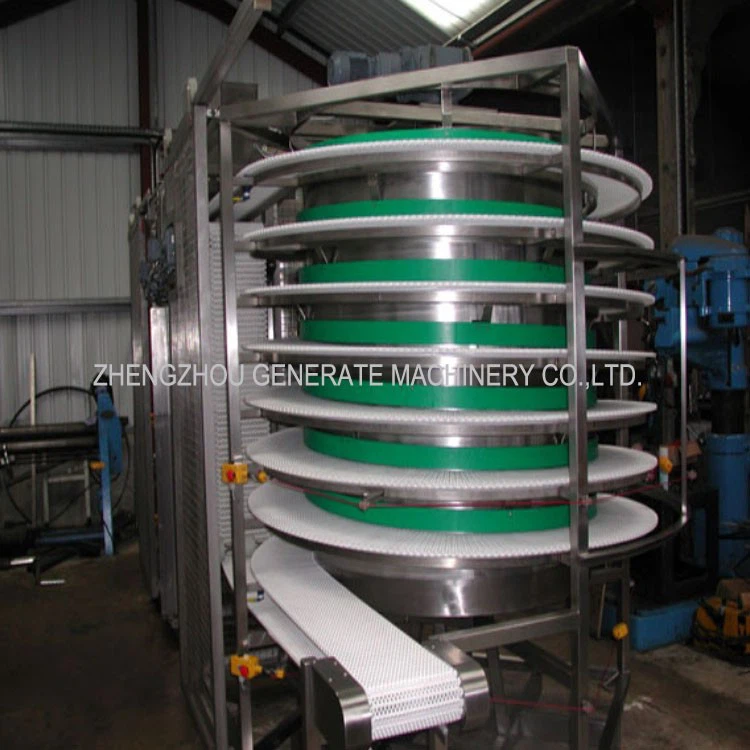
Reassembly and Testing
After cleaning, the conveyor must be reassembled correctly, following the manufacturer's instructions. Once reassembled, it should be tested to ensure that it is operating properly. This may involve running the conveyor empty to check for proper rotation and alignment, as well as performing load tests to ensure that it can handle the required material flow.
Preventive Maintenance through Regular Cleaning
Regular cleaning is not only about removing existing contaminants but also about preventing future build - up. By implementing a regular cleaning schedule, you can extend the lifespan of your vertical screw conveyor, reduce the risk of breakdowns, and improve the quality of the materials being transported.
Scheduled Cleaning Intervals
The frequency of cleaning will depend on several factors, such as the type of material being transported, the operating environment, and the conveyor's usage. For example, conveyors that transport sticky or abrasive materials may need to be cleaned more frequently than those that handle free - flowing powders. A general rule of thumb is to conduct a thorough cleaning at least once a month, with more frequent visual inspections and spot - cleaning as needed.
Monitoring for Contamination
In addition to regular cleaning, it is important to monitor the conveyor for signs of contamination. This can be done through visual inspections, as well as by checking for changes in the conveyor's performance, such as decreased throughput or increased power consumption. Early detection of contamination can help prevent more serious problems down the line.
In conclusion, maintaining a clean vertical screw conveyor is essential for its optimal performance and longevity. By choosing the right cleaning methods based on the type of contamination and the conveyor's specific requirements, you can ensure that your conveyor operates efficiently and safely. If you are in the market for a Vertical Cooling Conveyor or a Vertical Roller Conveyor, or if you need professional advice on cleaning and maintaining your existing vertical screw conveyor, please feel free to reach out to us for discussion and procurement opportunities.
References
- "Industrial Conveyor Belt Handbook", Various industry experts, Published in relevant industrial technology compilations.
- "Maintenance Guide for Vertical Screw Conveyors", In - house technical resources of the vertical screw conveyor manufacturing industry.
- "Safety Guidelines for Cleaning Industrial Equipment", International safety standards and regulations for industrial machinery cleaning.