


As a supplier of linear vibrating screens, I often receive inquiries from customers about the suitability of our products in various working conditions, especially high - temperature environments. This blog aims to delve into this topic and provide a comprehensive analysis of whether a linear vibrating screen can be used in high - temperature settings.
Understanding the Basics of Linear Vibrating Screens
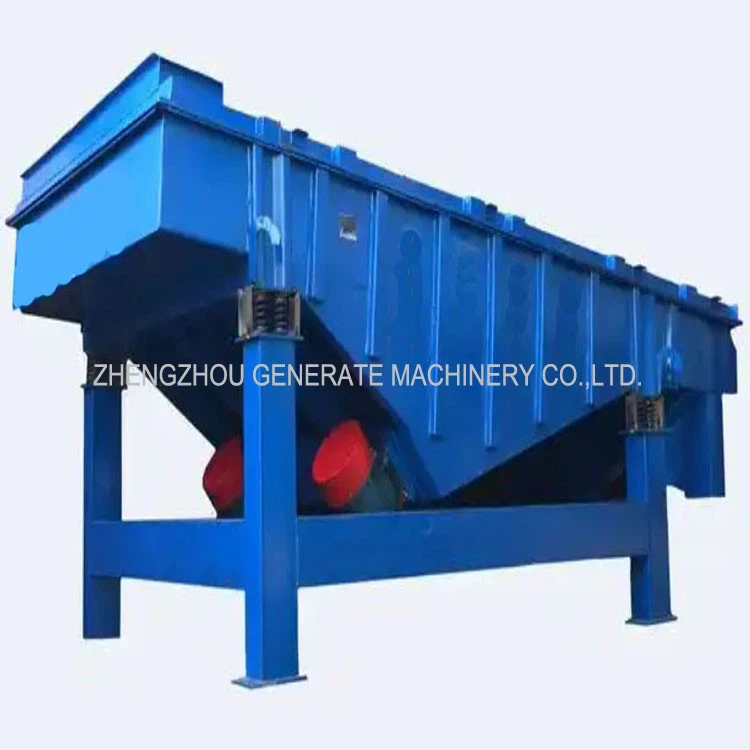
Before discussing the performance of linear vibrating screens in high - temperature environments, it's essential to understand how they work. A linear vibrating screen is a common screening equipment widely used in industries such as mining, metallurgy, coal, and food processing. It operates based on the principle of vibration generated by vibrating motors. The vibrating motors generate a linear force that causes the screen box to vibrate, enabling the materials on the screen surface to move forward in a straight line and achieve the purpose of screening.
The main components of a linear vibrating screen include the screen box, vibrating motors, springs, and screen mesh. Each component plays a crucial role in the normal operation of the equipment. For example, the screen box is the main body that holds the materials and the screen mesh; the vibrating motors provide the driving force for vibration; the springs support the screen box and adjust the vibration amplitude; and the screen mesh is responsible for separating different particle sizes of materials.
Challenges in High - Temperature Environments
High - temperature environments pose several challenges to the operation of linear vibrating screens.
Impact on Materials
The materials used in the construction of linear vibrating screens may be affected by high temperatures. For instance, the screen mesh, which is usually made of metal materials such as stainless steel or carbon steel, may experience thermal expansion at high temperatures. This thermal expansion can lead to changes in the mesh size, affecting the screening accuracy. If the temperature is too high, the metal may also lose its strength and hardness, increasing the risk of mesh breakage.
The screen box and other structural components are also at risk. High temperatures can cause the metal to soften, reducing the overall structural integrity of the screen. This may lead to deformation of the screen box, which can further affect the normal operation of the vibrating motors and the stability of the entire equipment.
Impact on Lubrication
Vibrating motors and other moving parts in a linear vibrating screen require proper lubrication to ensure smooth operation. In high - temperature environments, the lubricating oil may thin out or even evaporate quickly. This can result in insufficient lubrication, increasing the friction between moving parts. Excessive friction not only reduces the efficiency of the equipment but also causes premature wear and tear of components, shortening the service life of the linear vibrating screen.
Impact on Electrical Components
Most linear vibrating screens are equipped with electrical components such as motors and control systems. High temperatures can have a significant impact on the performance of these electrical components. The insulation materials of wires and cables may degrade at high temperatures, increasing the risk of short - circuits. The motor windings may also overheat, leading to reduced motor efficiency and potential motor failure.
Solutions for Using Linear Vibrating Screens in High - Temperature Environments
Despite the challenges, with appropriate measures, linear vibrating screens can still be used in high - temperature environments.

Material Selection
When designing and manufacturing linear vibrating screens for high - temperature applications, special materials should be selected. For the screen mesh, heat - resistant alloys can be used. These alloys have better thermal stability and can maintain their mechanical properties at high temperatures. For the screen box and other structural components, high - strength heat - resistant steels can be chosen to ensure the structural integrity of the equipment.
Cooling Systems
To reduce the impact of high temperatures, cooling systems can be installed on the linear vibrating screen. There are several types of cooling systems available. For example, air - cooling systems use fans to blow air over the hot components, dissipating heat. Water - cooling systems, on the other hand, circulate water through cooling pipes around the components to absorb and carry away the heat. These cooling systems can effectively lower the temperature of the equipment and ensure its normal operation.
Lubrication Management
In high - temperature environments, special high - temperature lubricants should be used. These lubricants have a higher viscosity index and better thermal stability, which can maintain good lubrication performance at high temperatures. Regular lubrication checks and replacements are also necessary to ensure that the moving parts are always properly lubricated.
Protection of Electrical Components
Electrical components should be protected from high temperatures. This can be achieved by installing heat - insulating enclosures around the motors and control systems. Additionally, temperature sensors can be installed to monitor the temperature of the electrical components in real - time. If the temperature exceeds the safe range, the system can automatically shut down to prevent damage to the components.
Case Studies
There have been many successful cases of using linear vibrating screens in high - temperature environments. For example, in some metallurgical plants, linear vibrating screens are used to screen high - temperature slag. By using heat - resistant materials for the screen mesh and installing water - cooling systems, the screens can operate stably for a long time, achieving accurate screening of the slag.
In the cement industry, linear vibrating screens are used to screen hot cement clinker. Through proper material selection, lubrication management, and cooling measures, the screens can effectively separate different particle sizes of the clinker, ensuring the quality of the final cement product.
Conclusion
In conclusion, a linear vibrating screen can be used in a high - temperature environment, but it requires careful consideration and appropriate measures to overcome the challenges. By selecting suitable materials, installing cooling systems, managing lubrication properly, and protecting electrical components, the linear vibrating screen can operate stably and efficiently in high - temperature settings.
If you are looking for a reliable linear vibrating screen for your high - temperature application, we are here to help. Our company has extensive experience in designing and manufacturing linear vibrating screens that can withstand high - temperature environments. We offer a wide range of products, including Linear Vibration Screen, Linear Vibrating Sieve, and Linear Vibration Sifter. Contact us for more information and let's discuss how we can meet your specific requirements.
References
- Smith, J. (2018). Industrial Screening Equipment: Principles and Applications. New York: Industrial Press.
- Johnson, R. (2019). High - Temperature Materials and Their Applications. London: Elsevier.
- Brown, A. (2020). Maintenance and Troubleshooting of Vibrating Equipment. Chicago: McGraw - Hill.