


Can a vertical screw conveyor be used for corrosive materials? Well, that's a question I get asked a lot as a supplier of vertical screw conveyors. In this blog, I'm gonna dig deep into this topic and share my thoughts based on my experience in the industry.
First off, let's understand what a vertical screw conveyor is. It's a type of conveyor that uses a rotating screw blade, also known as an auger, to move materials vertically. It's a pretty handy piece of equipment, used in a wide range of industries like agriculture, food processing, and mining.
Now, when it comes to corrosive materials, things get a bit tricky. Corrosive materials, such as acids, alkalis, and some chemicals, can eat away at the conveyor's components over time. This can lead to a whole host of problems, like reduced efficiency, increased maintenance costs, and even safety hazards.
So, can a vertical screw conveyor handle corrosive materials? The short answer is yes, but it depends on a few factors.
Material Selection
The first and most important factor is the material of the conveyor. Not all materials are created equal when it comes to corrosion resistance. For example, carbon steel is a common material for screw conveyors, but it's not very resistant to corrosion. If you're dealing with corrosive materials, you'll want to consider using stainless steel or other corrosion-resistant alloys.
Stainless steel is a popular choice because it contains chromium, which forms a thin, protective layer on the surface of the metal. This layer helps prevent corrosion and makes the conveyor more durable. There are different grades of stainless steel, and the choice depends on the specific corrosive environment. For mild corrosive conditions, 304 stainless steel might be sufficient. But for more aggressive environments, 316 stainless steel, which contains molybdenum for added corrosion resistance, is a better option.
Coating and Linings
Another way to protect the conveyor from corrosion is by using coatings or linings. There are various types of coatings available, such as epoxy coatings and rubber linings. Epoxy coatings can provide a tough, chemical-resistant barrier on the surface of the conveyor. Rubber linings, on the other hand, can absorb shocks and protect the metal from abrasion and corrosion.
However, it's important to choose the right coating or lining for the specific corrosive material. Some coatings might not be compatible with certain chemicals, so it's crucial to do your research and consult with a professional.
Design Considerations
The design of the vertical screw conveyor also plays a role in its ability to handle corrosive materials. For example, the pitch of the screw blade can affect how the material moves through the conveyor. A smaller pitch might be better for corrosive materials because it can reduce the contact time between the material and the conveyor components.
Additionally, the conveyor should be designed to prevent the accumulation of corrosive materials. This can be achieved by using a smooth interior surface and proper drainage channels. If corrosive materials are allowed to sit in the conveyor for too long, they can cause more damage.
Maintenance and Monitoring
Even with the right material selection, coatings, and design, regular maintenance and monitoring are essential when using a vertical screw conveyor for corrosive materials. You'll need to inspect the conveyor regularly for signs of corrosion, such as rust or pitting. If any damage is detected, it should be repaired or replaced immediately to prevent further deterioration.
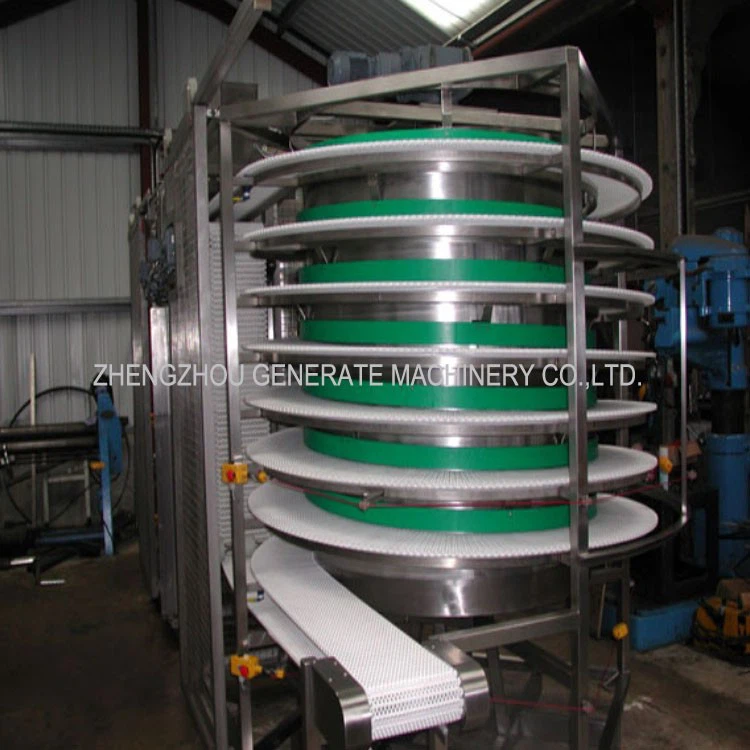

Monitoring the operating conditions, such as temperature and humidity, can also help prevent corrosion. High temperatures and humidity can accelerate the corrosion process, so it's important to keep these factors under control.
Real-World Examples
Let me share a couple of real-world examples to illustrate how vertical screw conveyors can be used for corrosive materials.
In a chemical processing plant, they needed to convey a corrosive acid from one tank to another. They chose a vertical screw conveyor made of 316 stainless steel with an epoxy coating. The conveyor was designed with a small pitch to reduce the contact time between the acid and the conveyor components. Regular maintenance and monitoring were carried out, and the conveyor has been operating smoothly for several years.
In another case, a food processing company needed to convey a mildly corrosive brine solution. They opted for a vertical screw conveyor with a rubber lining. The rubber lining not only protected the conveyor from corrosion but also provided a gentle handling of the food product. The conveyor has been able to handle the brine solution effectively without any major issues.
Other Types of Vertical Conveyors
While vertical screw conveyors can be used for corrosive materials, there are also other types of vertical conveyors that might be suitable depending on your specific needs. For example, the Vertical Cooling Conveyor can be used in applications where you need to cool the material while conveying it vertically. It might have special features to handle corrosive materials, such as corrosion-resistant cooling coils.
The Vertical Roller Conveyor is another option. It uses rollers to move the material vertically, which can be a good choice for materials that are difficult to handle with a screw conveyor. It can also be designed with corrosion-resistant materials and coatings.
Conclusion
In conclusion, a vertical screw conveyor can be used for corrosive materials, but it requires careful consideration of material selection, coatings, design, maintenance, and monitoring. With the right approach, you can ensure that your conveyor operates efficiently and safely for a long time.
If you're in the market for a vertical screw conveyor or any other type of vertical conveyor for corrosive materials, I'd love to help. We have a wide range of products and can work with you to find the best solution for your specific application. Feel free to reach out and let's start a conversation about your needs.
References
- "Handbook of Conveyor Technology" by Christopher W. Wambolt
- "Corrosion Resistance of Metals and Alloys" by George S. Brady
So, if you've got any questions or need more information, don't hesitate to get in touch. I'm here to help you make the right choice for your conveyor system.