


How to Adjust the Inclination Angle of the Sieve in a Lab Vibro Sifter
As a supplier of Lab Vibro Sifters, I understand the importance of proper sieve inclination adjustment in achieving optimal sieving results. In this blog post, I will share some insights on how to adjust the inclination angle of the sieve in a Lab Vibro Sifter effectively.
Understanding the Significance of Sieve Inclination Angle
The inclination angle of the sieve in a Lab Vibro Sifter plays a crucial role in determining the flow rate and separation efficiency of the material being sieved. A proper inclination angle ensures that the material moves smoothly across the sieve surface, allowing for efficient separation of particles based on their size.
If the inclination angle is too steep, the material may move too quickly across the sieve, resulting in incomplete separation and reduced accuracy. On the other hand, if the inclination angle is too shallow, the material may accumulate on the sieve, leading to clogging and decreased throughput.
Factors Affecting the Ideal Inclination Angle
Several factors need to be considered when determining the ideal inclination angle for a Lab Vibro Sifter:
- Material Properties: The physical properties of the material being sieved, such as particle size, shape, density, and moisture content, can significantly influence the optimal inclination angle. For example, fine powders may require a shallower inclination angle to prevent excessive bouncing and ensure proper separation, while larger particles may need a steeper angle for faster movement.
- Sieve Mesh Size: The size of the sieve mesh also affects the inclination angle. Finer mesh sizes generally require a shallower angle to allow for more precise separation, while coarser meshes can tolerate a steeper angle for increased throughput.
- Sieving Capacity: The desired sieving capacity or throughput rate is another important factor. Higher throughput rates may require a steeper inclination angle to ensure rapid material movement, but this may come at the expense of separation efficiency.
Steps to Adjust the Inclination Angle
Here are the general steps to adjust the inclination angle of the sieve in a Lab Vibro Sifter:
- Power Off the Machine: Before making any adjustments, ensure that the Lab Vibro Sifter is powered off and unplugged to prevent any accidents.
- Locate the Inclination Adjustment Mechanism: Different models of Lab Vibro Sifters may have different inclination adjustment mechanisms. Common methods include adjustable feet, tilt knobs, or hydraulic systems. Refer to the user manual of your specific sifter to locate the adjustment mechanism.
- Initial Assessment: Start by observing the current inclination angle of the sieve. You can use a spirit level or inclinometer to measure the angle accurately.
- Make Small Adjustments: Begin by making small adjustments to the inclination angle. For example, if you are using adjustable feet, turn the feet clockwise or counterclockwise to raise or lower one end of the sifter slightly. If using a tilt knob, turn it slowly to increase or decrease the angle.
- Test Sieving: After each adjustment, perform a test sieving with a small sample of the material. Observe the flow rate of the material across the sieve and the separation efficiency. Check for any signs of clogging or incomplete separation.
- Fine - Tuning: Based on the results of the test sieving, make further small adjustments to the inclination angle until you achieve the desired sieving performance. This may require several iterations of testing and adjustment.
- Secure the Adjustment: Once you have found the optimal inclination angle, secure the adjustment mechanism to prevent any accidental changes during operation.
Tips for Optimal Adjustment
- Keep Records: Maintain a record of the inclination angle settings and the corresponding sieving results for different materials. This will help you quickly adjust the sifter for future sieving tasks.
- Use Multiple Sieves: If possible, use multiple sieves with different mesh sizes in a stacked configuration. Adjust the inclination angle for each sieve independently to optimize the overall sieving process.
- Regular Maintenance: Regularly inspect and maintain the inclination adjustment mechanism to ensure its proper functioning. Lubricate moving parts as recommended by the manufacturer to prevent wear and tear.
Our Lab Vibro Sifter Products
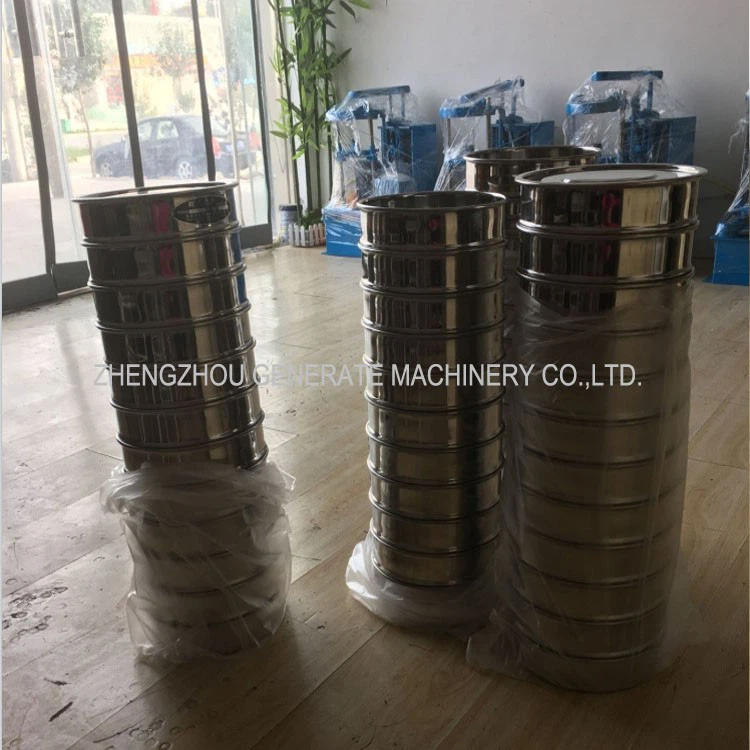
At our company, we offer a range of high - quality Lab Test Vibrating Screen, Lab Test Vibrating Sieve, and Lab Test Vibrating Machine. Our products are designed with user - friendly inclination adjustment mechanisms, allowing you to easily optimize the sieving process for different materials.

If you are looking for a reliable Lab Vibro Sifter or need more information on sieve inclination adjustment, we are here to help. Our team of experts can provide you with detailed guidance and support to ensure that you get the most out of your sieving equipment. Contact us today to discuss your specific requirements and start a procurement negotiation.
References
- Smith, J. (2018). Principles of Sieving Technology. Sieving Journal, 25(3), 45 - 56.
- Brown, A. (2019). Optimization of Sieve Inclination Angle for Different Materials. Industrial Sieving Review, 32(2), 78 - 89.