


Controlling the temperature in an extrusion machine is a critical aspect of the extrusion process, directly impacting the quality of the extruded products and the overall efficiency of the operation. As a leading extrusion machine supplier, we understand the nuances and challenges associated with temperature control in extrusion machines. In this blog, we will delve into the various methods and strategies to effectively manage the temperature in an extrusion machine.
Understanding the Importance of Temperature Control
Temperature control in an extrusion machine is crucial for several reasons. First and foremost, it affects the viscosity of the material being extruded. Different materials have specific temperature ranges within which they exhibit the optimal viscosity for extrusion. If the temperature is too high, the material may become too thin, leading to issues such as sagging, uneven wall thickness, and poor dimensional stability. On the other hand, if the temperature is too low, the material may be too thick, causing excessive pressure in the machine, increased wear and tear on the equipment, and potential blockages.
Secondly, temperature control influences the chemical and physical properties of the extruded product. For example, in the extrusion of polymers, the temperature can affect the degree of crystallization, molecular orientation, and mechanical properties of the final product. Maintaining the correct temperature ensures that the product meets the desired specifications and quality standards.
Finally, proper temperature control can improve the energy efficiency of the extrusion process. By optimizing the temperature settings, we can reduce the amount of energy consumed by the machine, leading to cost savings and a more sustainable operation.
Factors Affecting Temperature in an Extrusion Machine
Before discussing the methods of temperature control, it is important to understand the factors that can affect the temperature in an extrusion machine. These factors include:
- Material Properties: Different materials have different thermal properties, such as specific heat capacity, thermal conductivity, and melting point. These properties determine how the material responds to heat and how quickly it can be heated or cooled.
- Screw Design: The design of the screw in the extrusion machine plays a significant role in heat generation and transfer. The screw geometry, flight depth, and pitch can affect the shear rate and frictional heating within the machine.
- Feed Rate: The rate at which the material is fed into the extrusion machine can also impact the temperature. A higher feed rate may require more heat to melt the material, while a lower feed rate may result in overheating if the heat input is not adjusted accordingly.
- Barrel Heating and Cooling: The heating and cooling systems of the extrusion machine barrel are responsible for maintaining the desired temperature profile. The type and efficiency of these systems can affect the temperature control accuracy and response time.
- Die Design: The design of the die at the end of the extrusion machine can influence the temperature of the extruded product. The die can act as a heat exchanger, removing heat from the product or adding heat to it, depending on the design and operating conditions.
Methods of Temperature Control
There are several methods that can be used to control the temperature in an extrusion machine. These methods can be broadly classified into two categories: active and passive temperature control.
Active Temperature Control
Active temperature control involves the use of external devices to heat or cool the extrusion machine. The most common active temperature control methods include:
- Barrel Heating: The barrel of the extrusion machine is typically equipped with electric heaters or hot oil circulation systems to heat the material. The heaters are usually divided into zones along the length of the barrel, allowing for precise temperature control. The temperature in each zone can be adjusted independently to create the desired temperature profile.
- Barrel Cooling: In addition to heating, the barrel may also be equipped with cooling systems to remove excess heat. Cooling can be achieved using water jackets, air cooling, or refrigeration units. The cooling rate can be adjusted to maintain the temperature within the desired range.
- Screw Cooling: Some extrusion machines are equipped with screw cooling systems to prevent overheating of the screw. Cooling the screw can reduce the frictional heating and improve the overall temperature control of the machine.
- Die Heating and Cooling: The die at the end of the extrusion machine may also require heating or cooling to maintain the correct temperature of the extruded product. Die heaters can be used to ensure that the material flows smoothly through the die, while die coolers can be used to solidify the product quickly and improve its dimensional stability.
Passive Temperature Control
Passive temperature control relies on the inherent thermal properties of the materials and the design of the extrusion machine to maintain the temperature. Some examples of passive temperature control methods include:
- Insulation: Insulating the barrel and other components of the extrusion machine can reduce heat loss and improve energy efficiency. Insulation materials such as ceramic fiber or mineral wool can be used to wrap the barrel and prevent heat from escaping.
- Screw Design Optimization: By optimizing the screw design, we can reduce the frictional heating and improve the heat transfer within the machine. This can be achieved by using a screw with a lower flight depth, a larger pitch, or a special surface treatment to reduce the friction coefficient.
- Material Selection: Choosing materials with appropriate thermal properties can also help in temperature control. For example, materials with a high thermal conductivity can transfer heat more efficiently, reducing the need for excessive heating or cooling.
Monitoring and Feedback Control
To ensure effective temperature control, it is essential to monitor the temperature in the extrusion machine continuously. This can be done using temperature sensors placed at various locations in the machine, such as the barrel, screw, and die. The temperature data can be collected and analyzed in real-time to detect any deviations from the desired temperature profile.
Feedback control systems can be used to adjust the heating and cooling settings based on the temperature measurements. These systems use a controller to compare the actual temperature with the setpoint and make appropriate adjustments to the heating or cooling devices. For example, if the temperature is too high, the controller can reduce the power to the heaters or increase the cooling rate.
Integration with Conveyor Systems for Temperature Management
In addition to controlling the temperature within the extrusion machine, integrating it with suitable conveyor systems can further enhance temperature management. For instance, a Stainless Steel Straight Belt Conveyor can be used to transport the extruded product after it exits the machine. The stainless steel construction of the conveyor is resistant to corrosion and can withstand high temperatures, making it ideal for handling hot extruded materials.
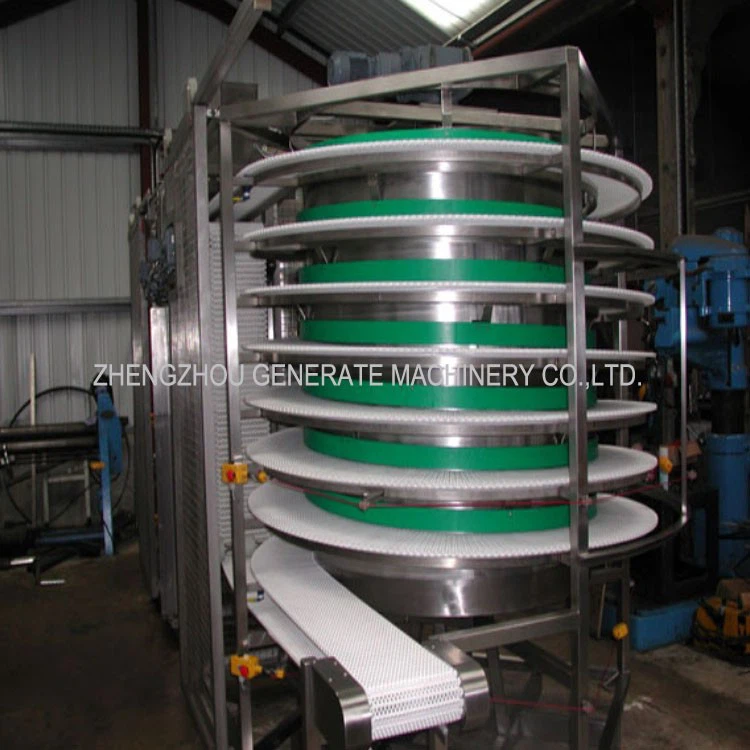
A Vertical Cooling Conveyor can be employed to cool the extruded product as it is being transported vertically. This type of conveyor can be equipped with cooling mechanisms such as air vents or water jackets to remove heat from the product efficiently.
Another option is the Carbon Steel Straight Belt Conveyor, which offers a cost - effective solution for transporting extruded products. Carbon steel has good heat - transfer properties, which can aid in the natural cooling of the product during transportation.
Conclusion
Controlling the temperature in an extrusion machine is a complex but essential task that requires a combination of proper equipment, monitoring, and control strategies. By understanding the factors affecting temperature, using appropriate temperature control methods, and implementing effective monitoring and feedback control systems, we can ensure that the extrusion process runs smoothly and produces high - quality products.
As an extrusion machine supplier, we offer a wide range of extrusion machines and temperature control solutions to meet the diverse needs of our customers. Our machines are equipped with advanced heating and cooling systems, precise temperature sensors, and intelligent feedback control systems to ensure optimal temperature management.

If you are interested in learning more about our extrusion machines or have any questions regarding temperature control in extrusion processes, we invite you to contact us for a detailed discussion. Our team of experts is ready to assist you in selecting the right equipment and developing a customized temperature control solution for your specific application.
References
- "Extrusion: The Definitive Processing Guide and Handbook" by Christopher Rauwendaal
- "Plastics Extrusion Technology" by Friedrich Hensen
- "Polymer Processing: Principles and Modeling" by John A. Brydson