


Hey there! If you're into the lab equipment game, you know that a Lab Vibro Sifter is a pretty handy tool. It's used for all sorts of things like particle size analysis, quality control, and separating different materials. But here's the deal - safety should always be our top priority when using this machine. As a Lab Vibro Sifter supplier, I've seen firsthand how important it is to keep operators safe. So, let's dive into how we can make sure that happens.
Pre - operation Checks
Before you even think about turning on the Lab Vibro Sifter, there are some crucial pre - operation checks you need to do. First off, give the machine a good visual inspection. Look for any signs of damage, like cracks in the frame or loose parts. If you spot anything fishy, don't just ignore it. Fix it or get it replaced right away. You don't want a small problem turning into a big, dangerous mess.
Check the power cord too. Make sure it's not frayed or damaged. A damaged power cord can lead to electrical shocks, which are definitely not something you want to experience. Plug the machine into a properly grounded outlet. This helps prevent electrical hazards and keeps the operator safe.
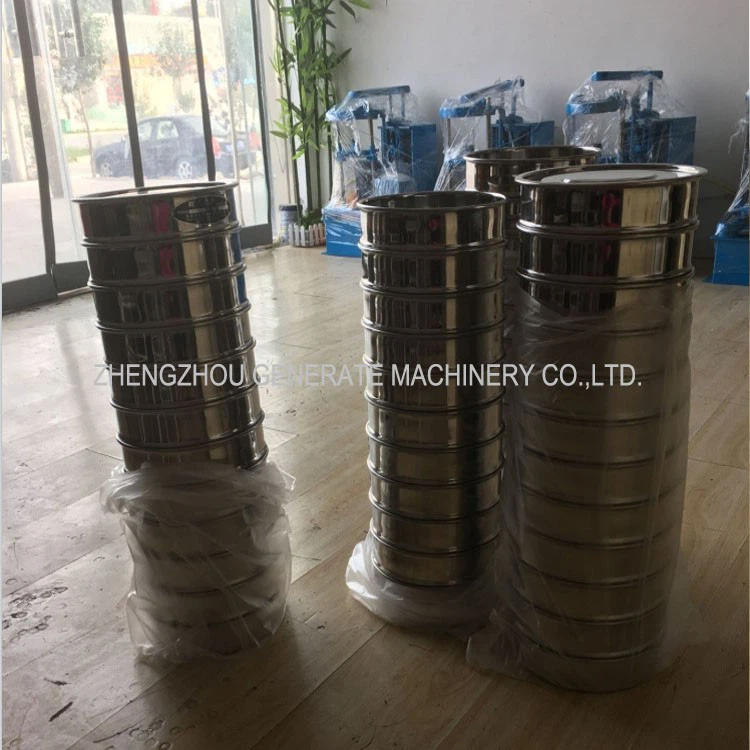
Another important thing is to check the sieves. Make sure they are properly installed and tightened. Loose sieves can cause uneven vibrations and might even fly out during operation, which is super dangerous. You can find high - quality sieves for your Lab Vibro Sifter on our website, like the Test Vibration Sieve.
Operator Training
You can't just hand someone the keys to a Lab Vibro Sifter and expect them to know what to do. Proper operator training is essential. The operator should understand how the machine works, including its controls, functions, and safety features.
Train them on how to load and unload the materials correctly. Overloading the sifter can cause it to malfunction and pose a safety risk. Teach them about the correct operating speed and how to adjust it according to the material being sifted.
Also, make sure the operator knows how to handle emergencies. For example, in case of a power outage or a sudden malfunction, they should know how to stop the machine safely. We offer training programs for operators who purchase our Lab Test Vibrating Machine, so you can be sure your team is well - prepared.
Personal Protective Equipment (PPE)
PPE is a must when using a Lab Vibro Sifter. The operator should wear safety goggles to protect their eyes from flying particles. These particles can cause serious eye injuries, so don't skimp on the goggles.
Gloves are also important. They protect the hands from sharp edges on the sieves and from any chemicals that might be present in the materials being sifted. Depending on the nature of the materials, the operator might also need to wear a dust mask to prevent inhalation of fine particles.
Wear appropriate clothing. Loose - fitting clothes can get caught in the moving parts of the machine, so make sure the operator wears snug - fitting clothes. And of course, closed - toe shoes are a must to protect the feet from any falling objects.
Machine Maintenance
Regular machine maintenance is key to ensuring operator safety. A well - maintained machine is less likely to malfunction and cause accidents.
Clean the machine after each use. Remove any leftover materials from the sieves and the machine's interior. This helps prevent blockages and keeps the machine running smoothly.
Lubricate the moving parts as recommended by the manufacturer. This reduces friction and wear, which can extend the machine's lifespan and improve its performance.
Check the vibration motor regularly. Make sure it's running smoothly and that there are no unusual noises or vibrations. If you notice anything off, have it checked by a professional. You can learn more about maintaining our Lab Test Vibrating Screen on our website.

Safety Features
Modern Lab Vibro Sifters come with a variety of safety features, and it's important to use them. For example, most machines have an emergency stop button. Make sure the operator knows where it is and how to use it in case of an emergency.
Some machines also have a cover interlock system. This means that the machine won't start if the cover is not properly closed. This prevents the operator from getting their hands or other body parts caught in the moving parts.
Another safety feature is the overload protection. This shuts off the machine if it detects an overload, preventing damage to the machine and reducing the risk of accidents.
Workplace Safety
The workplace where the Lab Vibro Sifter is used also plays a big role in operator safety. The area should be well - lit so that the operator can see what they're doing clearly. A dimly lit area can increase the risk of accidents.
Keep the area around the machine clean and free of clutter. This prevents tripping hazards and makes it easier for the operator to move around.
Make sure there is enough space around the machine for the operator to work comfortably. They should be able to access the controls and load and unload materials without any difficulty.
Risk Assessment
Before using the Lab Vibro Sifter, conduct a risk assessment. Identify potential hazards such as electrical hazards, mechanical hazards, and dust inhalation risks. Once you've identified the hazards, develop strategies to mitigate them.
For example, if there is a risk of dust inhalation, install a dust collection system. If there is a risk of electrical shock, make sure all electrical components are properly insulated and grounded.
Conclusion
Ensuring the safety of operators when using a Lab Vibro Sifter is not a one - time thing. It requires a combination of pre - operation checks, operator training, proper use of PPE, regular machine maintenance, and a safe workplace. By following these steps, you can significantly reduce the risk of accidents and keep your operators safe.
If you're in the market for a high - quality Lab Vibro Sifter or need more information on safety practices, don't hesitate to reach out. We're here to help you make the right choice and ensure the safety of your operators. Contact us today to start the procurement process and let's have a chat about how we can meet your needs.
References
- General safety guidelines for laboratory equipment.
- Manufacturer's manual for Lab Vibro Sifters.