


Hey there! As a supplier of Linear Vibration Screens, I've had my fair share of experiences with wet screening. It's a process that comes with its own set of unique requirements, and I'm here to break them down for you.
1. Material Characteristics
First off, let's talk about the material you're planning to screen. When it comes to wet screening with a Linear Vibration Screen, the properties of the material play a huge role.
Particle Size and Shape
The size and shape of the particles in your material matter big time. If the particles are too large, they might not pass through the screen mesh easily. On the other hand, if they're too small, they could clog up the mesh. Irregularly - shaped particles can also cause issues, as they might get stuck in the mesh openings. For example, if you're screening a mixture of sand and gravel, the gravel particles are likely to be too large to pass through a fine - mesh screen, while very fine sand particles could potentially clog the screen over time.
Moisture Content
Moisture is a key factor in wet screening. The ideal moisture content depends on the type of material and the screen mesh size. Too little moisture, and the particles might not flow freely through the screen. Too much moisture, and you could end up with a sticky mess that clogs the screen. For instance, when screening coal with a high moisture content, it can form lumps that are difficult to break up and pass through the screen. A good rule of thumb is to aim for a moisture content that allows the material to flow smoothly across the screen surface without causing excessive sticking.
Density
The density of the material also affects the screening process. Heavier particles tend to settle more quickly, which can impact the efficiency of the screening. If you're screening a mixture of heavy and light materials, the heavy particles might accumulate at the bottom of the screen, reducing the chances of the lighter particles passing through. You might need to adjust the vibration intensity and angle of the Linear Vibration Screen to ensure proper separation based on density.
2. Screen Mesh Selection
Choosing the right screen mesh is crucial for successful wet screening.
Mesh Size
The mesh size determines the size of the particles that will pass through the screen. You need to select a mesh size that matches the desired particle size of your end product. For example, if you're screening a mineral to obtain a specific grade, you'll need to choose a mesh size that allows only particles of the appropriate size to pass through. A finer mesh size will result in a more precise separation but might also be more prone to clogging.
Mesh Material
The material of the screen mesh is also important. In wet screening, the mesh needs to be resistant to corrosion and wear. Stainless steel is a popular choice as it's durable and can withstand the corrosive effects of water and various chemicals. Polyurethane meshes are also used in some applications, as they offer good flexibility and abrasion resistance. You can find more information about different types of meshes on our Linear Vibrating Sieve page.
3. Vibration Parameters
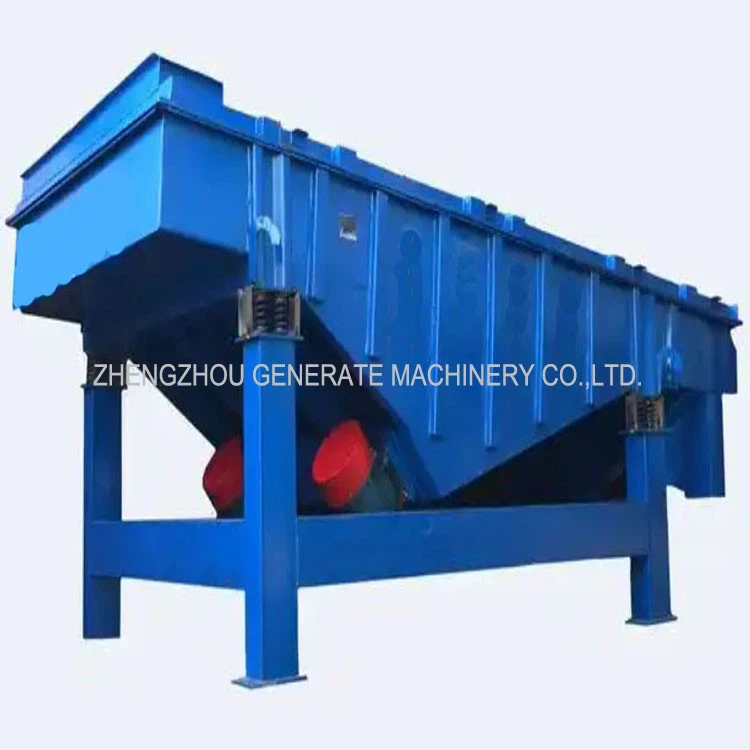
The vibration of the Linear Vibration Screen is what makes the screening process work. There are a few key vibration parameters to consider.

Vibration Intensity
The intensity of the vibration affects how quickly the material moves across the screen and how effectively it passes through the mesh. If the vibration intensity is too low, the material might not move fast enough, leading to a build - up on the screen. If it's too high, it could cause excessive wear on the screen and the equipment. You need to find the right balance based on the material characteristics and the screen mesh size.
Vibration Frequency
The frequency of the vibration also plays a role. A higher frequency can help break up clumps of material and improve the screening efficiency. However, it can also increase the wear on the screen. Lower frequencies might be more suitable for larger - sized particles or materials that are less prone to clumping. You can adjust the vibration frequency on our Linear Vibration Screen to optimize the screening process.
Vibration Angle
The angle of the vibration affects the direction in which the material moves across the screen. A steeper angle can make the material move faster, while a shallower angle can slow it down. You need to adjust the vibration angle based on the type of material and the desired screening results. For example, if you're screening a material that is difficult to separate, a shallower angle might give the particles more time to pass through the mesh.
4. Water Addition
In wet screening, water is often added to the material to improve the screening efficiency.
Water Flow Rate
The flow rate of the water needs to be carefully controlled. Too little water, and the material might not be properly wetted, reducing the screening efficiency. Too much water, and you could create a flood on the screen, which can also cause problems. The ideal water flow rate depends on the material characteristics, the screen size, and the vibration parameters.
Water Quality
The quality of the water also matters. If the water contains a lot of impurities, it could clog the screen or contaminate the screened material. It's important to use clean water or treat the water before using it in the screening process.
5. Equipment Maintenance
Proper maintenance of the Linear Vibration Screen is essential for long - term performance in wet screening.
Regular Cleaning
The screen needs to be cleaned regularly to prevent clogging. You can use water jets or brushes to remove any material that has stuck to the screen. It's also a good idea to inspect the screen for any signs of damage, such as holes or tears.
Lubrication
The moving parts of the Linear Vibration Screen, such as the bearings, need to be lubricated regularly. This helps reduce friction and wear, ensuring smooth operation. Make sure to use the right type of lubricant and follow the manufacturer's recommendations.
Component Replacement
Over time, some components of the screen, such as the springs or the vibrating motors, might need to be replaced. Regular inspections can help you identify when these components are starting to wear out, so you can replace them before they cause any major problems.
Conclusion
Wet screening with a Linear Vibration Screen requires careful consideration of several factors, including material characteristics, screen mesh selection, vibration parameters, water addition, and equipment maintenance. By meeting these requirements, you can ensure efficient and effective screening of your materials.
If you're in the market for a Linear Vibration Screen or have any questions about wet screening, we're here to help. Our Linear Vibration Sifter is designed to meet the highest standards of performance and reliability. Contact us today to discuss your specific needs and start a procurement negotiation.
References
- Smith, J. (2020). Handbook of Screening Technology. Publisher XYZ.
- Brown, A. (2019). Advances in Wet Screening Processes. Journal of Industrial Screening, 15(2), 45 - 60.