


Hey there! As a supplier of Single Screw Extruders, I've been getting a lot of questions lately about how screw surface treatment affects extrusion performance. So, I thought I'd dive into this topic and share some insights.
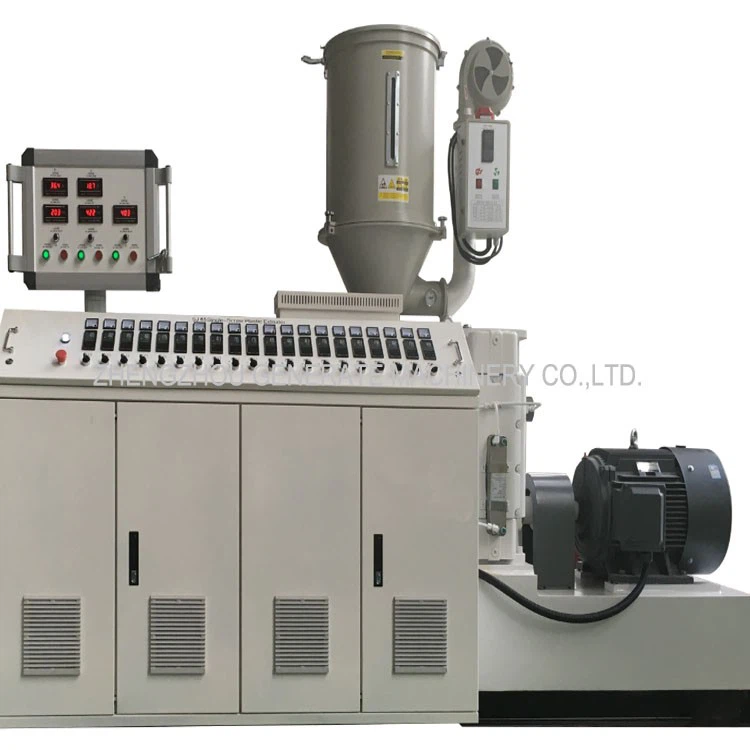
First off, let's talk about what a single screw extruder is. A Single Screw Extruder Machine is a common piece of equipment in the plastics and other industries. It uses a rotating screw inside a barrel to convey, melt, and pump materials through a die to create a specific shape. The screw is a crucial component, and its surface treatment can have a big impact on how well the extruder works.
Why Surface Treatment Matters
The surface treatment of the screw can change its surface properties, such as hardness, smoothness, and chemical resistance. These changes can affect several aspects of the extrusion process.
1. Wear Resistance
One of the main benefits of surface treatment is improved wear resistance. In the extrusion process, the screw is constantly in contact with the material being extruded. If the material is abrasive, like filled plastics or certain polymers, it can cause significant wear on the screw surface. A well - treated screw surface can withstand this wear better. For example, a nitrided screw has a hard nitride layer on its surface. This layer is much more resistant to abrasion compared to an untreated screw. As a result, the screw lasts longer, reducing the need for frequent replacements. This not only saves money on parts but also minimizes downtime for the extruder.
2. Friction and Material Flow
The surface smoothness of the screw is also affected by surface treatment. A smoother surface generally means less friction between the screw and the material. When there's less friction, the material can flow more easily along the screw channels. This is especially important for materials with high viscosity. For instance, in a Plastic Single Screw Extruder, a polished or coated screw can help the plastic melt move more smoothly, leading to a more consistent extrusion rate. On the other hand, if the screw surface is rough, it can cause the material to stick or form clumps, which can disrupt the flow and result in uneven extrusion.
3. Corrosion Resistance
Some materials used in extrusion can be corrosive. For example, certain chemicals or additives in plastics can react with the screw material over time. A surface treatment that provides corrosion resistance can prevent this damage. A screw with a chrome - plated surface, for example, is more resistant to chemical attack. This is important because corrosion can not only damage the screw but also contaminate the extruded product.
Different Types of Surface Treatments
There are several common surface treatments for single - screw extruders, and each has its own characteristics.

Nitriding
Nitriding is a popular surface treatment method. It involves introducing nitrogen into the surface layer of the screw. This creates a hard and wear - resistant nitride layer. Nitrided screws are great for applications where the material is abrasive. They can handle high - pressure and high - temperature extrusion processes well. However, nitriding can be a bit time - consuming and expensive.
Chrome Plating
Chrome plating is another option. It provides a smooth and corrosion - resistant surface. Chrome - plated screws are often used in applications where the material is not too abrasive but may be corrosive. The chrome layer also gives the screw a shiny appearance. One drawback of chrome plating is that the layer can sometimes peel off if the plating process is not done correctly.
Coating with Special Polymers
Some screws are coated with special polymers. These coatings can reduce friction and improve the release of the material from the screw surface. They are often used in applications where a very smooth extrusion is required, such as in the production of high - quality plastic films. However, these polymer coatings may not be as wear - resistant as nitriding or chrome plating.
Impact on Extrusion Performance Metrics
Let's look at how these surface treatments affect some key extrusion performance metrics.
Output Rate
A screw with good surface treatment can increase the output rate. As mentioned earlier, a smooth surface reduces friction and allows the material to flow more freely. This means that more material can be processed in a given time. For example, in a Single Screw Extruder, a well - treated screw can increase the throughput of the extruder by up to 15 - 20% compared to an untreated screw.
Product Quality
The quality of the extruded product is also affected. A more consistent material flow due to proper surface treatment results in a more uniform product. There are fewer defects, such as voids or uneven thickness. For example, in the production of plastic pipes, a screw with the right surface treatment can ensure that the pipe has a smooth inner and outer surface and a consistent wall thickness.
Energy Consumption
Surface treatment can also impact energy consumption. A screw with low friction due to surface treatment requires less power to rotate. This is because less energy is wasted in overcoming the friction between the screw and the material. Over time, this can lead to significant energy savings, which is not only good for the environment but also for the bottom line.
Choosing the Right Surface Treatment
When choosing a surface treatment for your single - screw extruder, you need to consider several factors.
The Material Being Extruded
If the material is abrasive, nitriding may be the best choice. If it's corrosive, chrome plating or a special polymer coating could be more suitable. For materials that require a very smooth flow, a polymer coating might be ideal.
The Extrusion Process Conditions
High - temperature and high - pressure processes may require a more durable surface treatment, like nitriding. On the other hand, if the process is relatively gentle, a less expensive option like chrome plating may be sufficient.
Cost and Budget
Of course, cost is always a factor. Nitriding is generally more expensive than chrome plating or polymer coating. You need to balance the cost of the surface treatment with the expected benefits in terms of improved performance and longer screw life.
Conclusion
In conclusion, the surface treatment of the screw in a single - screw extruder has a significant impact on extrusion performance. It can improve wear resistance, friction, and corrosion resistance, which in turn affects output rate, product quality, and energy consumption. As a supplier of single - screw extruders, we understand the importance of choosing the right surface treatment for our customers' needs. We can help you select the most suitable surface treatment based on the material you're extruding and your process requirements.
If you're in the market for a single - screw extruder or need advice on screw surface treatment, don't hesitate to get in touch. We're here to help you make the most of your extrusion process and ensure that you get the best performance from your equipment.
References
- "Plastics Extrusion Technology Handbook" by Allan A. Griff
- "Extrusion of Polymers: Theory and Practice" by James L. White and Kenneth P. Potente